
Advice for new groups
How to get started
Here are some simple first steps to help you get moving.
-
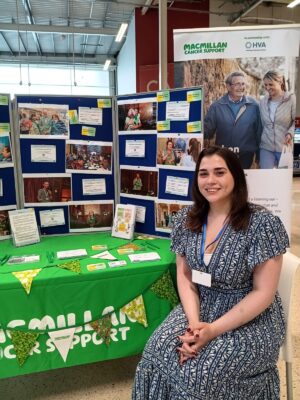
1. Does it already exist?
First, find out if something similar exists already. Can you partner with an existing organisation and extend what they are doing?
-
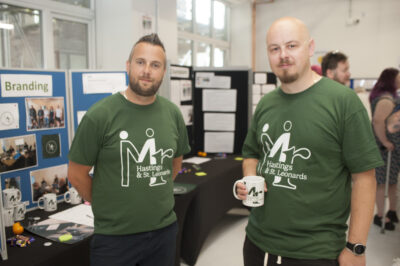
2. Find your people
Getting other people involved can help share the workload and bring different skills to the group. If you plan to apply for funding or become a formal not-for-profit organisation, you'll usually need at least three unrelated people involved.
-
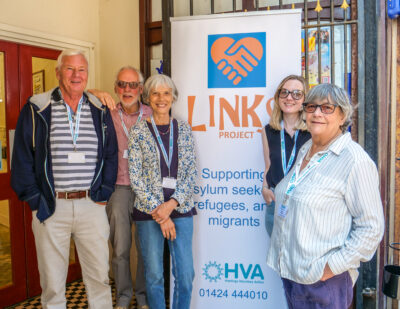
3. A formal organisation?
You may be able to run your activity informally with very little paperwork. However, if you plan to apply for funding, open a group bank account or enter into contracts, you'll usually need to formalise your group.
-
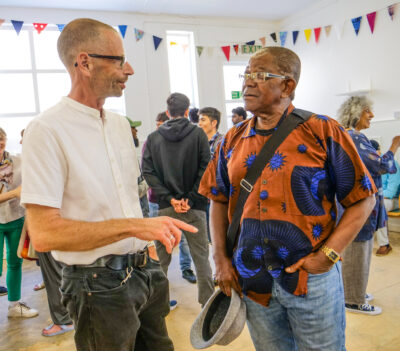
4. Key questions
Ask yourself: What are the aims of your project? Where will the money come from to run your activities? Do you want to earn an income from this work? Do you want a membership of local residents to support your project?
-
5. Choose a legal structure
See our Common Legal Structures for Groups document below.
Upcoming training
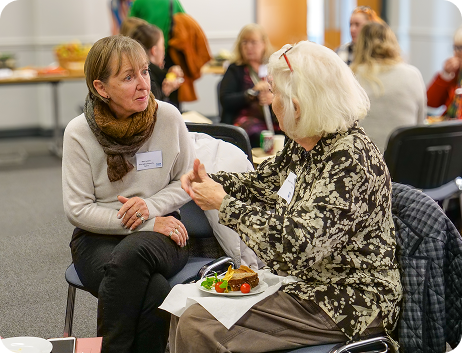
Thinking of starting a community group, project or service? From time to time, we offer training and events on topics such as governance, funding, safeguarding and volunteer management. Check our events and training page for current courses and workshops, or sign up to our newsletter for updates on future events.
Other useful links
-
Let’s Do Business
A leading provider of business support, LDB supports small businesses to develop and grow, through business consultancy, access to finance, marketing and business training.
-
Rother Voluntary Action
Support and advice for voluntary and community groups across Rother, including help with setting up and running organisations.
-
National Council for Voluntary Organisations
NCVO bring charities, voluntary organisations and trustees together to share ideas and best practice.
Resources
-
Low-cost DBS checks for charities, community groups and organisations, carried out through a virtual process that follows current government guidance. Volunteer checks are free, with a £10 admin fee.
31 March 2026 Peter Thorpe
-

This guide outlines some of the most common legal structures used by charities, community groups and social enterprises.
17 March 2026 HVA
FAQs
-
Can we start informally before becoming a formal organisation?
Yes, you can absolutely begin as an informal, voluntary group before becoming a formal charity. In fact, operating informally to test your ideas and build your community is a highly recommended first step.
-
What if a similar group already exists locally?
Can you reach out and suggest partnering with the existing organisation and extend what they are doing?
-
Can family members run a group together?
Yes, family members can absolutely run a charity together. However, you must carefully manage conflicts of interest and ensure the board remains accountable. In the UK, the Charity Commission requires at least three trustees to register, and a majority must be completely independent (unconnected) to prevent the charity from serving purely private interests.
-
Do we need a separate bank account straight away?
Yes, we would recommend opening a separate bank account. While technically it’s not a strict legal requirement for all initial charity setups, mixing charity donations with personal funds makes it nearly impossible to secure grants, claim Gift Aid, or pass audits.
-
What kinds of projects can HVA support?
HVA can support not-for-profit groups including community groups, charities and Community Interest Companies.
Still can't find what you're looking for?
Please use the information on this page first, but if you need further support with starting your group, project or service, you can complete our online form.